
When a Large Casino Lobby Makes Game Choice Harder

A broad online casino lobby can be useful, but it can also make a simple game search feel unnecessarily complicated. The lucky hills casino online lobby brings together slots, table games, live-dealer content, game shows and faster-paced titles, with filters and provider tools intended to narrow the selection. For Canadian adults, the practical question is not which game promises the most, but how to identify a suitable format, understand its rules and avoid confusing promotional labels with game information.
Start with the game format, not the title
The quickest way to make sense of a large lobby is to decide what type of experience you want before looking at individual titles. Video slots are generally the broadest category, ranging from traditional fruit-machine designs to modern games built around clusters, bonus rounds, expanding symbols or several simultaneous paylines. Classic-style slots may appeal to players who prefer simpler layouts, while jackpot-labelled games can attract attention through their prize structure or presentation. Those labels describe the game’s design or advertised feature, not a guarantee of a particular outcome.
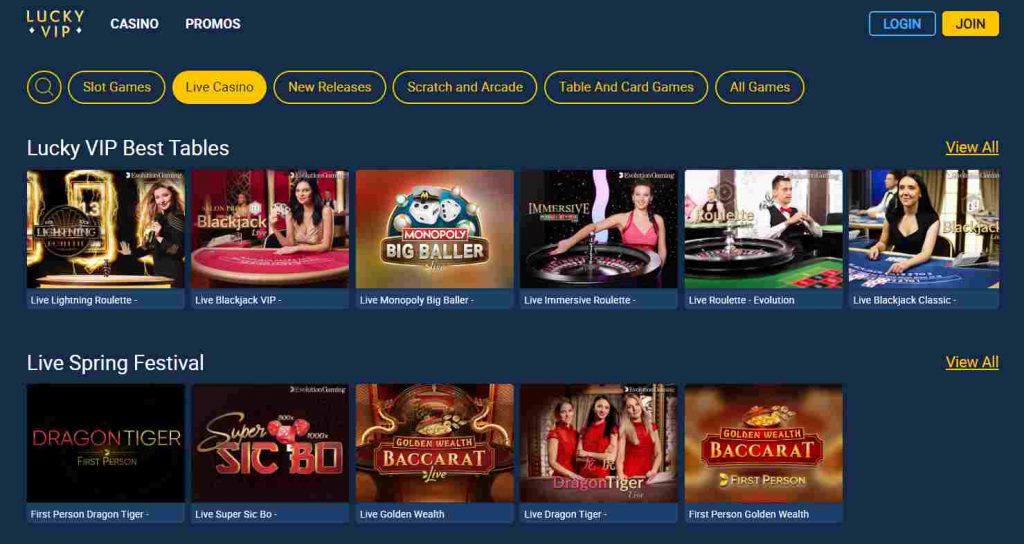
Table games offer a different kind of decision. Roulette is based on selecting numbers, colours or sections of the wheel, while blackjack involves decisions such as whether to hit, stand, split or double. Live-dealer versions add a streamed human dealer and a table interface, which may feel more social than an automated game. Game-show titles use presenter-led formats and special rounds, but they should still be approached as gambling products rather than entertainment with predictable results.
Faster-paced and crash-style games deserve a separate category because their rhythm differs substantially from both slots and tables. Results may arrive quickly, and the interface can encourage repeated decisions in a short period. Sports and esports are also separate areas rather than casino game types, with their own markets and rules. Keeping these categories distinct makes comparison easier: first choose the pace and format, then examine the specific mechanics and conditions of a title.
Use filters to reduce the lobby without losing context

A provider filter is useful when you already know a software studio whose presentation or mechanics you prefer. The provider list includes names such as Pragmatic Play, Playson, 3 Oaks Gaming, Evolution-associated live content, Yggdrasil Gaming, Nolimit City, Thunderkick, ELK Studios and others. A familiar supplier can help narrow a search, but it is not a substitute for reading the individual game rules. A supplier’s library may contain games with very different volatility, features and betting ranges.
The name-search field is another practical tool, particularly when you have seen a title elsewhere or want to return to a game without scanning every category. Lobby badges can also identify recently added, popular or jackpot-labelled titles. These badges are navigation aids, not independent assessments of quality or value. “Popular” does not mean more likely to win, and “new” does not mean more suitable for a particular budget or playing style.
Bonus-related labels require especially careful reading. Some games are marked as eligible for bonus play, while others contribute to wagering requirements or accept only cash funds. Those are separate questions: a game may allow promotional funds without counting fully toward a requirement. Open the game’s own rules before treating a badge as meaningful. If a promotion is active, check its stated qualifying-title list and restrictions rather than relying solely on a lobby icon.
Read the rules before judging a game
A short demonstration can show how a game looks and whether its controls are understandable, but it cannot establish how often a player will win or what a long-term result may be. The same caution applies to a few rounds of roulette, blackjack or a crash-style title. A brief session is too small to prove reliability, expected returns or personal suitability. Use it to learn the interface, not to forecast future results.
Before choosing a slot, look for the displayed paytable, winning combinations, special symbols and bonus-round conditions. For table games, review the rules for side bets, ties, splits, doubling and other optional actions. Live games may also have table-specific limits or procedures. Game shows, tournaments and lotteries can introduce separate entry requirements, scoring systems or prize rules, so their general category name will not tell you everything that matters.
Canadian players should also distinguish game information from account or promotional information. A title may appear in the lobby while its availability depends on location, account status or the current platform configuration. Software libraries can vary by country. For general context about gambling and health, the Centre for Addiction and Mental Health’s gambling information explains why outcomes should not be treated as a source of income or predicted from short-term patterns.
Match the pace and complexity to your session
Game choice is partly a question of attention. A slot with several bonus features may require more reading than a classic three-reel design. A live blackjack table can involve pauses, decisions and table etiquette, while an automated version may move more quickly. A game show can be visually engaging but still requires attention to its specific rules. Selecting a format that fits the time and focus available is more practical than choosing solely by graphics or current popularity.
Budget also affects which formats are sensible to compare. A game with rapid rounds can use a set amount more quickly simply because more decisions occur in less time. That does not make the game inherently worse, but it changes how easily a session can run beyond its intended length. Before opening a title, decide the maximum amount and time for the session. Treat both limits as stopping points, not targets to recover after a loss.
Built-in account controls can support that decision. The platform’s profile settings describe daily, weekly and monthly deposit and loss limits, along with self-exclusion and account-closure options. These controls are more useful when set before browsing a large catalogue, rather than after a frustrating session. If a game’s pace makes it difficult to pause, choose a slower format or leave the lobby instead of increasing the budget.
Build a short list instead of chasing every category
A practical shortlist might contain one familiar slot, one table game, one live option and, only if its pace suits you, one faster title. This creates a manageable comparison without turning the lobby into a search for the next exciting label. For each candidate, note the rules, minimum stake shown in the game, key features and whether promotional funds can be used. Remove any title whose conditions are unclear.
It is also sensible to separate discovery from promotion hunting. The lobby identifies games that may be eligible for bonus play, and the bonus area groups qualifying titles, but promotional requirements can affect how freely you choose. Wagering rules, expiry periods, maximum qualifying bets and game exclusions may apply. If a bonus is not important to your decision, comparing games with cash funds can make the selection process less complicated.
Finally, remember that availability is not fixed simply because a title appears in general platform material. Individual suppliers, games and features can differ by location, and the available selection may change. Check the current lobby and the game’s own information before making a decision. The strongest discovery habit is therefore modest: choose a format, filter the catalogue, read the rules and stop searching once a suitable shortlist exists.
Questions about choosing games
Which category is easiest for a first comparison?
Classic-style slots are often the simplest place to begin because their layouts and paytables may be easier to understand. That does not make them safer or more predictable than other games. Compare the displayed rules, pace and betting controls, then choose only if the format fits your planned time and budget.
Do popular or new badges identify better games?
No. Popular and recently added badges are useful for navigation, but they do not demonstrate better odds, greater value or a higher chance of winning. Treat them as catalogue labels. The relevant information is found in the individual game rules, feature descriptions and any conditions connected with promotional funds.
Can a short trial show whether a game is profitable?
No. A few rounds can help you understand controls and presentation, but they cannot establish long-term results or predict the next outcome. Use a short trial only for familiarity. Decide your spending and time limits in advance, and never increase them because an early result was favourable or disappointing.